
The significance of gut health has been tracked centuries ago, when Hippocrates told, “All diseases begin in the gut”. In essence, the pulse of health lies in the digestive system. The origin of many illnesses can be traced back to defects in gut health.
Do you often experience digestive issues one day when your stomach is upset, followed by persistent cough, severe headaches, acidity, or skin problems—one issue after another? If so, treating symptoms alone is not enough. Without delay, attention must be given to gut health. Let us understand how poor gut health affects body functions and metabolic activities.
What is Gut Health?
The digestive system consists of many organs. Its functions extend from eating food to digestion, absorption of nutrients, and excretion. In the digestive process, organs such as the liver, pancreas, and gallbladder each play their respective roles. In a person with good gut health, all these organs function in a natural rhythm. When this rhythm is disturbed, it manifests in the form of various diseases.

Most people think about gut health only when symptoms such as stomach pain, bloating, excessive belching, constipation, bleeding, vomiting, or loss of appetite appear.
Think of the body as a car that usually runs silently. Imagine that one day, unexpected noises, rattling, and leaks start coming from the car. We immediately call a mechanic to fix the problem. In the same way, we consult a doctor to resolve stomach-related issues. Disorders in the digestive system are often viewed as potential precursors to serious diseases, including cancer.
Today, many people tend to view every disorder of the digestive system as a possible sign of cancer. However, the cause of a large percentage of digestive health problems is acidity. When digestive issues begin to affect even daily routines, please understand, the condition has become quite serious.
What are the warning signs?
Based on symptoms, poor digestive health can be divided into two categories: Warning (danger/red flag) symptoms and non-dangerous, common symptoms.
The most commonly seen warning symptoms are the following:
- Persistent vomiting
- Blood in the stool, either continuous or intermittent
- Ongoing abdominal pain
- Habitual loss of appetite
- Unexplained weight loss
If such symptoms appear, medical attention should be sought immediately without delay. Do not attempt self-treatment. Do not assume that home remedies will resolve the problem.
Now, let us look at symptoms that are not as dangerous. If these are not treated and resolved at an early stage, they too can seriously affect health:
- Acidity
- Heartburn
- Sour belching
- Gas and abdominal bloating
- Abnormally frequent burping
Since digestion is a complex process involving many organs and digestive juices working together, identifying the root cause of problems may not be easy and may require various types of medical tests.
No organ in the body functions in isolation. Each is connected to others in some way or other, and they work together coordinating functions. Therefore, when digestive health deteriorates, it is not possible to specifically list all the areas it may affect. It can affect the smooth functioning of many other organs and processes too.
Consider a person with acid reflux. This is a condition in which hydrochloric acid produced in the stomach for digestion flows abnormally into the oesophagus. Due to acid reflux, chest pain may occur, which can sometimes be mistaken for a heart attack. If the acid rises further, it may result in a persistent cough, or a slight change in the voice may be noticed.
In some individuals, severe headaches may be the symptom. But it doesn’t mean that frequent headaches are associated with gut health only. Thus, discomfort manifests differently in different people.
Causes of gut issues
Do you know the common factors that worsen digestive health and gut health?
- Unhealthy dietary habits
- Negative lifestyle changes
- Infections
- Autoimmune conditions, where the immune system attacks the body itself
- Cancer-related causes
- Digestive issues due to gallstones
- Smoking, alcohol consumption, and substance use
The causes are numerous. If we examine dietary patterns from sixty years ago, we can see many similarities—available foods and meal timings were more or less the same. But today, that is no longer the case.
People are engaged in various occupations, many of which involve frequent travel. As a result, eating all three meals prepared at home is not practical for many. Even when food is prepared at home, some people make it a habit to quickly put something together and eat. For such individuals, it is not practical to insist that they must eat only in a specific manner. For many today, food has become something that is no longer fully under their control. Most of us are not aware of what to really eat or what a perfect meal or balanced diet is.
What changes are needed?
Let us understand the general points that should be followed to improve the functioning of the digestive system.

Try to eat meals regularly at fixed times. Maintain a gap of at least four to five hours between meals.
Do not skip breakfast. It is not practical to expect people who stay awake until three in the morning to have breakfast at eight; for them, lunchtime effectively becomes their breakfast time.
Physical exercise is extremely important for proper digestion. People who hardly move and remain seated for long hours while working are more prone to acidity and related health issues. Such individuals are also at higher risk of obesity, diabetes, and high blood pressure.
The composition of the diet is also important. Eat as balanced a diet as possible. Food choices should suit one’s circumstances and needs. The key is to ensure that the body receives all essential nutrients through food.
Include carbohydrate-rich foods such as rice, wheat, millets, and tubers. Pulses, legumes, soy, fish, eggs, meat, and dairy products are the main sources of protein. Healthy fats are also necessary for the body; different types of oils can be included in the diet in limited quantities.
To aid digestion and good gut health, consume fibre-rich vegetables and fruits. Include vegetables like okra, brinjal, banana stem, banana flower, cowpeas, and beans, and fruits such as banana, orange, pineapple, and guava. Fibres help in the absorption of proteins better.
Excessive sugar and salt should be strictly avoided. Salt is not only added while cooking but is also present in pickles, dried foods, chutney powders, and papad; these too should be consumed in moderation.
Many people believe that eating fatty foods alone leads to fat accumulation in the body. However, especially in our region, carbohydrates are the main contributors to body fat. Excessive intake of rice, sweets, and refined flour eventually gets converted into fat. Also read: Children’s Gut Health: 5 Simple Tips to Improve Immunity
Can health supplements be a solution for gut issues?
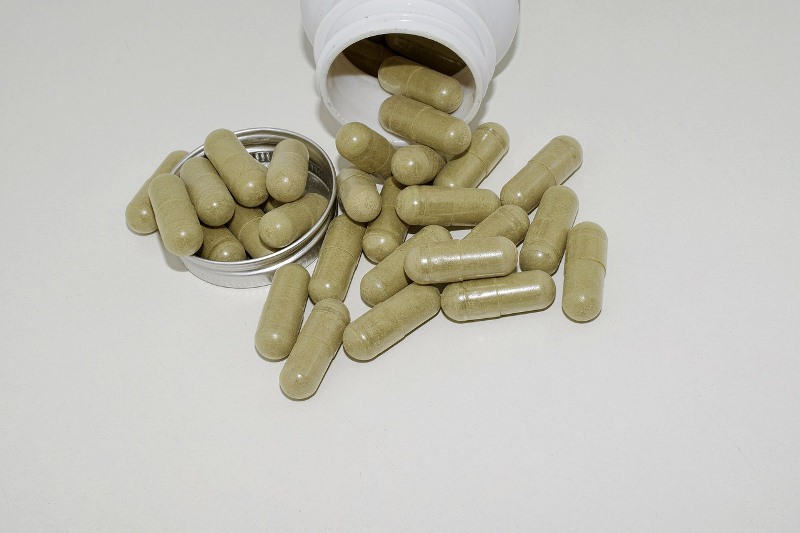
A healthy person who eats a balanced diet does not need supplements. However, in certain situations, taking supplements becomes necessary.
From the time one plans for pregnancy, vitamin supplements should be taken.
People undergoing cancer treatment such as chemotherapy, those affected by multiple illnesses, and those facing conditions where health is weakened may require supplements. In any situation, supplements should be taken only as per a doctor’s recommendation.
Taking supplements based on promotions seen on social media by people who do not even have basic qualifications can lead to serious risks. Taking them without an expert’s opinion can lead to severe and critical health issues. Also read: Everything you want to know about Dietary Supplements
Let good bacteria thrive for good health
The number of bacteria in our body is greater than the number of our own cells. Not all bacteria are disease-causing germs. They play a crucial role in shaping a person’s digestive functions and good gut health. Just as there are differences between individuals, there are also differences in the bacteria (the microbiome) present in their digestive systems.
- The presence of healthy bacteria is truly a valuable asset to humans. Fibre-rich foods help healthy bacteria grow.
- Probiotic foods such as curd, buttermilk, and fermented rice gruel should be included in the diet. These are fermented foods, and they help to ensure the presence of good bacteria.
- Nowadays, various types of fermented drinks are also available in our region. The practice of buying and preparing drinks like tepache and kombucha at home is becoming increasingly popular.
Paths to illness

Probiotic Food is good for gut health
One of the major factors that worsens digestive health & gut health is the self-selected use of antibiotics. Antibiotics should be taken only as prescribed by a doctor. Doctors prescribe antibiotics only after assessing the physical condition. Otherwise, taking them can also destroy the beneficial bacteria required by the body for good gut health. This can create an imbalance in the body. Gut health deteriorates, and there may even be situations where routine medicines fail to work.
The second factor that worsens gut health is processed food. Not only is what is commonly known as junk food harmful. Traditional snacks like lentil fritters and chilli fritters that are deep-fried in oil at high temperatures should also be avoided. Any change in the composition of oil can lead to different health issues. Foods made with refined flour, carbonated beverages, and items high in sugar should be avoided. These adversely affect the bacteria (microbiome) that support digestion and thus gut health.
Similarly, irregular sleep patterns also lead to ill health. Sleep is not just rest. Many processes in our body take place while we sleep—for example, digestion and certain detoxification processes in the brain.
The microglial cells that remove waste generated by the brain’s activities during the day function well during sleep. If sleep deprivation becomes habitual, microglial functions are affected. Several studies suggest that this increases the risk of memory-related disorders. If sleep is inadequate, digestion will not function properly.
Whether one lies down immediately after eating or after consuming alcohol, the digestive process becomes disrupted. In addition, people who eat very late at night are more prone to acid reflux. Therefore, to wake up healthy, it is important to sleep well. In short, good sleep promotes gut health.
Also read: Probiotic Food – Let’s make a habit









Recent Comments