
When Malayali’s Kitchen Had a Soul: A Journey Through Kerala’s Culinary Past

What a rhythm that old kitchen once had
Malayali’s kitchen is nothing short of a musical puzzle or a live orchestra decades back, especially at times when machines didn’t enter the indoors. The drumbeat of the wooden pestle on the traditional stone mortar, the chak-chak sound of coconut being ground on the grinding stone. The kar-kar noise of drawing water from the well. The double rhythm of kad-kad and gulu-gulu while churning curd. Along with all this, from the earthen pot on the wood-fired stove, came the tempting aroma of red onions slowly frying. When sound and fragrance came together, it felt like a song you could sit back and listen to. That was my grandmother’s kitchen.
Travelling from Thiruvananthapuram town to my mother’s ancestral home at Malaikodu, near Marthandam of Tamil Nadu, the border district which was once a part of Kerala, was itself a journey filled with these sounds and smells. It was that kitchen which lit the spark of my love for cooking.
I have never seen my grandma using mixer during my early childhood. They used traditional methods to grind coconut for curries or for preparing batter for dosa in stone mortars. Years later, when my uncles got married, those traditional kitchen accessories got replaced with mixer. Whatever it is, I have never tasted such tasty dosas or chutney from anywhere else. That kitchen and grandma’s love is so nostalgic for me.
Today, kitchen has changed a lot
Perhaps the change of Malayali’s Kitchen began when women started going out to work. New rhythms and moods arrived. Everything became faster. In the journey from the earthy simplicity of black oxide floors to the glossy shine of granite, the most important thing that disappeared was the wood-fired stove or simply, wooden hearths.
Firewood, dried husk, twigs, and everything needed to light the stove were once available right in the courtyard. A ‘wealthier’ companion of the wood stove was the sawdust stove. Sawdust had to be bought from the sawmill. Before going to bed at night, the stove would be tightly packed with sawdust and set. In the morning, placing one or two small pieces of burning wood through the lower opening would make the stove slowly come alive, breathing smoke.
After some time, a ‘mischievous’ companion arrived for the wood stove — the heater. One careless touch, and it would deliver a sharp electric shock. Those who received that shock from old heaters know its intensity well.
By the late 1970s (when I was not born) and early 1980s, gas stoves began to appear. Back then, a gas connection and a telephone connection were symbols of luxury. Because gas cylinders were difficult to get, gas stoves were used only occasionally. In between all this, the kerosene stove continued its reign as a star.
As an 80-kid, I have never seen a gas stove in grandma’s home (we didn’t have it either), and they used a wooden hearth to prepare everything in the kitchen. Dishes prepared using fire stoves in earthen pots taste delicious, and even 5-star hotels of today can’t bring back that nostalgic taste back. Sigh!
In the early days, baking was done with embers placed both above and below. Pumpkin-shaped brass oven were often used. The taste of cakes baked in it is indescribable—slightly charred, yet melting in the mouth. Later came the round aluminium electric oven in the 1990s. Yet, I bought a microwave in 2012, and in 2023, replaced it. Induction cook tops arrived in the mid-2000s, I think, which became a convenient choice for boiling water, heating milk, and quick cooking.
Induction cooker was common in every household a decade back. But when electricity bills started shooting up, people slowly abandoned it, and started using it for emergencies or journeys only. Also read: Those old traditional kitchens of Kerala and its accessories have already vanished!
From Hearths to Modern Vessels: Evolution of Cooking Spaces
Evolution of hearths and vessels
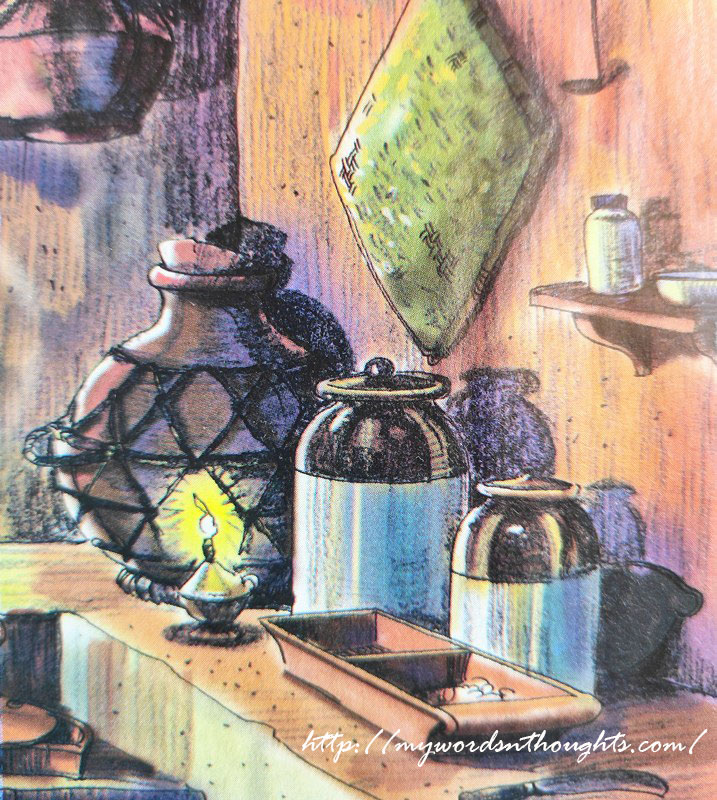
As stoves changed, so did cooking vessels. Earthen pots, clay pans, and stone vessels were the stars of the wood-fired kitchen of Malayalis back then. Clay pots and grinding stones would crack and break easily. That is why aluminium vessels, which arrived later, quickly became favourites. Aluminium urlis were the glamorous stars. Among the vessels gifted to daughters when they returned to their husband’s homes after childbirth, the aluminium urli was the king. Iron and copper vessels were also common. Those days, negative effects of aluminium vessels were not known to the public.
By the late 1980s, steel vessels—less prone to dents—entered kitchens crowded with easily damaged aluminium pots. The non-stick revolution began in the 1990s and became more popular with early 2000s. From making dosas to cooking biryani, non-stick cookware became popular. Soon after, ceramic and glass cookware gained favour. But still, preparing biriyani in traditional pots using the method of traditional baking using embers is still popular. People are more aware about health hazards of non-stick cookware too.
As time passed, interest in healthy cooking increased. When people began advocating that earthenware was healthier, the old clay and iron vessels once discarded made a comeback. Only the names changed—iron vessels became “cast iron,” and clay pots were renamed “terracotta.” But they are less convenient comparing steel and non-stick, which consumes less oil for cooking.
From the Hanging Shelf to the Refrigerator
The uri—a hanging shelf in the corner of the kitchen—was the refrigerator of old kitchens. Butter, kichadi, pachadi, and cooked buttermilk were stored in pots covered with cloth and kept in the uri. They stayed fresh for a few days, and their taste only improved. They also helped housewives to keep their dishes away from reaching cats and rats.
One of the biggest revolutions in the kitchen was the arrival of the refrigerator. Instead of cooking just for the day, people began preparing food for two or three days at a time and storing it in the fridge. Refrigerators became common in Kerala during the 1980s. Those days ice cream was available only in eco-friendly cups, softy felt like a wonder, that itself felt special. Then only these plastic ball types and rectangular box types came. Ice cream was a luxury during my childhood, as we didn’t have refrigerator.
Pressure cookers saved women a tremendous amount of time. Even wood-fired stoves were used with pressure cookers. Today, the number of appliances meant to reduce workload is beyond counting. Dishwashers and robotic vacuum cleaners have come down from “ivory towers” into everyday homes.
Ingredients from the Homestead: Courtyard to Kitchen
Every vegetable for the kitchen from the courtyard or homestead

Vegetables were mostly cultivated in homested those days
Until a few decades back, most of the Indian families traditionally did farming. The same is the case of my mom’s family in Tamil Nadu too. They had paddy fields, cultivated vegetables and banana, and even had cattle. Though most families switched to other occupations, they retained a part of their farm house or agriculture fields to cultivate basic necessities like coconut, banana, spinach, moringa, chillies, tomatoes, curry leaves, okra, egg plant, colacasia, yam etc.
If we go back to previous generations, all the ingredients needed for cooking came from the homestead itself, and they preferred only organic cooking. Charcoal from kitchen and vegetable waste were provided as manure. For breakfast, leftover rice gruel, buttermilk, and bird’s eye chilli were the main items. Depending on the season, there would also be puzhukku made from products grown in the yard—tapioca, jackfruit, yams, sweet potatoes, and more. All these items were royal food 1-2 generations back.
Lunch was rice made from hand-pounded paddy (Kuthari), accompanied by vegetables from the backyard. Buttermilk curries, beans, leafy vegetables—everything was wholesome and nourishing. Whatever was available and edible went into the cooking pot. It includes leaves and stem of many edible plants, not necessarily spinach. Hens and cattle were common in most household, which provides eggs and dairy products.
Evening markets with home-grown vegetables & fruits
There were evening markets in those days, where organic food products were sold. Farmers would directly bring home-grown products to sell. Vegetables free from adulteration and poison, different varieties of greens, coconuts, eggs, and fish were easily available. Since chickens and ducks were commonly reared at home, eggs were always in stock. They were proudly called “poovan chavittiya mutta” (fertile eggs).
Fish, too, was plentiful. Sardines and mackerel were the main varieties. Pearl spot and other premium fish became popular only in the 1980s and later, but still not affordable to middle class. Fish vendors came on bicycles, and women carrying large copper vessels filled with fish on their heads were a common sight. Otherwise, one had to go to the market to buy fish.
Meat, however, was a once-a-month special or during festivals. There was even a saying that when guests arrived unexpectedly, the chicken in the coop was the one that suffered. Catching, cleaning, plucking feathers, and cooking native chicken curry was an occasional luxury, a taste remembered even today. Also read: How our ancestors linked old sayings with our life style, the facts which are relevant even today.
Truly Traditional Idli, Dosa and steam cake
Those days, before the arrival of packet puttu podi and idiyappam podi, flour was prepared at homes itself. Either it’s steamcake, idlis or dosa, more quantity of flour or batter was prepared. Joint families prevailed then. So, food was never a surplus. Raw rice was soaked and later made into flour using pestle and grind stone. Then it’s fried and finished within a few days, without adding preservatives. It used to be a tedious process those days, but every Malayali’s Kitchen was equipped with stone grinder, pestle etc, and some members were specially assigned the job to prepare dosa-idli batter in the evenings too.

Soaking and grinding rice and black gram for idli batter was a two-person job. Two people would sit on either side of the grinding stone in the back side of the kitchen or open work space —one turning the stone pestle, the other adding rice steadily. As the batter is prepared by grinding stone and not mixer, it adds a lot of air during the time of preparation, which makes idlis fluffier and tastier.
The fermented batter was poured into a cloth tied over the mouth of a clay pot and steamed. In some homes, jackfruit leaves (a few other leaves too, whose names I don’t know) were placed on the idli moulds before pouring the batter, allowing the goodness of the leaves to infuse into the idlis. Cotton clothes were also used.
Just think how long it took to make idli back then. When mixers and grinders arrived, the grinding stone fell silent and was moved out of the kitchen into the yard. Over time, even freshly ground batter gave way to ready-made packaged idli and appam batter. Chapati, which came to Kerala much later from North India and was once an occasional dish, has today become a regular dinner and breakfast item.
Women introduced new tastes
Malayali tastes were traditionally handed down through generations. But the arrival of women’s magazines like Vanitha magazine and Grahalakshmi, it marked the beginning of major change. It brought revolution to Kerala kitchen, and until the time vloggers took over the charge, they remained true stars. People started trying out the new recipes featured in its pages. It was Vanitha that explained to Malayalis that china grass was not grass grown in China, but an ingredient used to set puddings.
Cookery shows became guides for introducing new dishes to Kerala. The margin-free market wave that began around 2000 turned into a storm. Supermarkets of big companies reached Kerala. Malls also flourished. Foods from around the world and also ingredients to prepare many foreign dishes became available. We began to stare in wonder at vegetables arriving from far-off places, though bit costly. The world’s biggest markets have now reached our mobile phones, just a click away!
Dishes as Guests: Borrowed and Adapted Flavours
Some dishes have arrived as guests
From a time when eating out at hotels was rare, Malayalis have changed a great deal. Global cuisines have reached even our villages. Pizza from Italy, mojito from Mexico, and burgers from America are now familiar even to children.
Earlier, homemade snacks like unniyappam, achappam, kuzhalappam, and avalose unda were common. Laddus and jalebis were bakery stars. Cutlets, puffs, and samosas began to shine in glass display cases around mid-1990s. “Cake” meant plum cake wrapped in paper, cupcakes, or sponge cakes. To see an icing cake, it had to be a luxurious Christmas. During my childhood, icing cake was more like sugar topping rather than pastry.
When traditional snacks and sweets made using rice and jaggery are more healthy, slowly they got replaced with maida-made cakes, puffs, samosas etc. Over the time, taste of kids also changed, so are the choices. Now samosa sheets and readymade cutlets, nuggets and patties are available in markets. Only you need is to heat or fry in your kitchen.
Recently, there has been a gradual return from restaurant food to home-cooked dishes. “Cloud kitchen,” where food prepared at home is sold through social media, are today’s biggest trend. They have empowered many homemakers to stand on their own feet. Women began learning new recipes from magazines and books and preparing them at home.
Cream cakes took over both the market and households. With the arrival of the internet and YouTube, everyone from people in their seventies to little children began doing cookery shows. It became a big source of income too. Now moms in kitchen very much depend on online videos and articles to prepare instant dishes in the kitchen and surprise family.
Weddings – Then and now: Culinary Traditions in Celebrations
Weddings – Then and now
When talking about food, one cannot avoid mentioning Kerala weddings then and now. In earlier times, family members and villagers together would work hard to prepare the wedding feast. Kitchen used to be the main place. One person would be responsible for the storeroom. Serving was done by relatives and neighbours. It was a kind of get-together those days when relatives assemble, make gossips and cut vegetables. I have many such childhood memories.
Later, cooks were brought in and ingredients supplied to them. Weddings were held under temporary canopies in the courtyard. As weddings moved to halls and auditoriums, caterers replaced traditional cooks. Today, even the decision of who will cater is often made by event management groups.
Whether the changes that have come to Kerala’s kitchen over the last 50 years are a loss or a gain is difficult to calculate. From rice served in large brass vessels and eaten with small handfuls to two-minute noodles and instant and ready-to-cook curries, we have come a long way. Yet one thing remains unchanged—the taste served with love by mothers and grandmothers. No matter how far we travel, that taste will remain the same. Only the ingredients and accompaniments change with time, methods of preparation too.
Also read a few more posts related to Kerala cuisine. Here is the page link. Click on the images to read






Recent Comments