
There was a time when neck pain, body pain, joint pain, and body swelling were associated mainly with lower-class workers who had to put in a lot of manual effort to earn a living. But that is no longer the case. The situation has reversed. Today, physical effort and wear and tear of body parts are often seen as positive signs of a healthy body, while pain and swelling have become part of the lives of people engaged in white-collar jobs. There was also a time when working in offices and schools provided comfort and rest to the body. But now, many of these people suffer from various ailments at a comparatively young age, such as in their 20s or 30s.
Moreover, the excessive use of electronic gadgets has reduced much of the physical effort required in daily life and made living easier. However, in return, it has caused several health issues. It has also given rise to many so-called “new generation diseases.” White Collar Neck Pain has become common among the masses.
White Collar Neck Pain – Common Causes
i-neck & i-poster conditions

White-collar neck pain has been given some pet names such as i-neck and i-posture. In its worst stages, the condition can turn severe. Due to i-posture, you may experience tiredness in the neck, disability, and similar discomforts. This condition may be accompanied by headaches, cramps in the back of the neck, a feeling of something rolling inside, severe pain, and fatigue. The possibility of developing neck pain is not the same for everyone. However, turning certain wrong habits into a daily routine can surely invite neck pain. These habits put extra pressure on the neck muscles, leading to pain.
If you sit for long hours in a bent or curved position without much movement of the neck and body while using a laptop, PC, tablet, e-book, or mobile phone, there are high chances of developing this condition. If you sit at an uncomfortable angle on a chair while using the keyboard or mouse, or if the distance between you and the monitor or keyboard is not arranged properly, you may tend to lean forward when deeply engaged in your work. If you work for long hours in this manner, neck pain and back pain will definitely catch you sooner or later.
White Collar Neck Pain is Most Common in Ladies
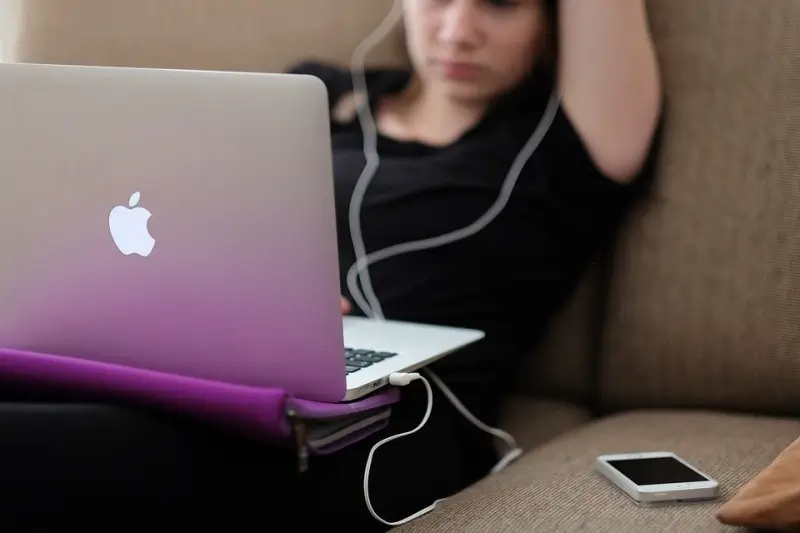
According to studies and surveys, neck pain is more common among women. When you sit for long hours in the same posture, putting extra pressure on the neck, you should also be aware of the possible consequences. People who work with computers and electronic gadgets, as well as those with smoking habits, have higher chances of developing neck pain. Also, if your previous health records show episodes of back pain or neck pain, there is a possibility of recurrence in the future.
If you give your neck and back adequate rest for a few days, most of the discomfort associated with it will subside. However, if pain persists even after two weeks of rest, or if there is tiredness in the legs and hands, it may indicate an underlying medical condition, and you should consult a doctor.
Corrections in wrong postures can give positive results
Yes, you are right. As mentioned earlier, when we follow wrong postures for a long period of time, our body may suffer a lot. However, if we are able to identify and correct these postures, we can get rid of many of these discomforts. In short, never use wrong postures while working on a computer or laptop—for example, leaning, lying, or sliding positions. Such postures also put extra strain on the eyes, leading to various eye problems. Proper room lighting should also be given enough importance, as poor lighting can worsen eye strain and encourage wrong postures unintentionally.
If you experience dryness of the eyes, excessive tearing, eye sensitivity, or unclear vision, consult an eye specialist. While sitting or lying down, if you adopt positions that put less strain on the neck, you can control neck pain to a great extent.
Arrangement of the computer table and height is very important

Some seemingly silly things that we often neglect can later give us a lot of headaches. For instance, consider the computer table at your office. It is not designed specifically for you, and you are not the only person using it. Everyone differs in height and weight, so it is important to arrange your table and chair in a way that keeps you in your most comfortable zone. Keep the following points in mind while setting up your table and chair.
-
When you sit in front of the computer, your ear, shoulder, and waist should be in the same straight line. Bending forward while using a computer indicates poor posture.
-
Choose a chair that helps you sit straight and comfortably. The chair should support your backbone. If needed, use an extra cushion for back support and adjust its position properly.
-
Use a chair with adjustable height. A padded chair is recommended for better comfort.
-
The chair should have armrests. An armchair provides good support for your arms and should support the full length of the arm, from elbow to fingers. This position gives extra support to the shoulders and prevents them from hanging.
-
Make sure your feet rest flat on the floor. A footrest should also be provided so you can occasionally lift and rest your feet.
-
The monitor should be at least a hand’s distance away from you when seated. Your table should allow enough space to position the monitor at this distance.
-
Your hands should be able to rest comfortably on the table. The monitor should be placed at a distance that allows this relaxed posture.
-
The monitor and your eyes should be at the same level. This reduces strain on the eyes, head, and neck.
-
The upper edge of the monitor should be at eye level or slightly below it. This is very important, as it prevents lifting your eyes and neck, thereby reducing strain.
-
You can place a document holder at the same level as the monitor. This makes your work easier and more comfortable.
A few points to note while using keyboard and monitor
The keyboard should be placed at the shortest distance from the user. It’s always better to keep your elbows towards your body (it’s good to have body contact or at the shortest distance) at 90-100 degrees.
The lighting in the room should be arranged in such a way that intense light does not fall directly on the monitor screen. If this happens, you can use a screen filter to reduce glare.
Keep note of these positions while sitting before your PC –
A) If the alphabet ‘B’ of the keyboard (seen in the middle of the keyboard) is positioned at the centre of the sitting person, it never adds extra strain to both elbows. If so, your elbows won’t slant.
B) Without adding pressure to the shoulders and neck, if you can give support to your hands (from elbows to fingers) using arm chair or table, it gives you positive results.
While using a laptop, take note of these points –

A) Since the keyboard and monitor are attached, they put extra load on the shoulders and neck. If you need to work on a laptop for long hours, using an external keyboard is a better choice. It reduces shoulder strain. Adjust the monitor height accordingly.
B) Never use a laptop with your head in a bowed position. The upper edge of the screen should be at the same level as your eyes.
C) If you carry a laptop to the office regularly, avoid adding extra items to your bag that increase its weight.
D) No matter the type of bag, never carry it on one shoulder only. Use both shoulders to prevent neck pain in the future.
E) For carrying laptops, use shoulder bags with back padding. The shoulder strap of the laptop bag should be wide enough to distribute weight comfortably.
Ten important points to control neck pain
Doctors can suggest you painkillers if you are really in need of it. But isn’t it a better choice to avoid those pills with our healthy habits. Always sit straight and walk straight too – as told by our ancestors. Here are 10 more useful points for you.

Use your hands while talking on the cell phone
-
Use a cushion on the lower side of your back while working in the office. It gives rest to the shoulders and neck.
-
Some people have the habit of working continuously in one stretch, being highly dedicated to their work. Relax a little, take a short walk, and come back. While sitting in front of the computer for 30–45 minutes at a stretch, take a break of two minutes. It relaxes your mind and body parts and gives rest to the neck and eyes. A short walk is the best option.
-
While sitting in front of the computer, give your eyes a short break once in a while. Look at objects placed at a distance. For every 15 minutes of work, give a 5-second break to your eyes, and it is okay.
-
While sleeping, certain wrong postures can invite neck pain. Never sleep with your head in a bent position. It adds pressure to the neck, shoulders, and muscles. If you are a side sleeper, use pillows with enough height to support the neck. If you are a back sleeper, a small pillow or a folded blanket is sufficient.
-
Give small exercises to your shoulders once in a while. Move your shoulders and neck, give massages, and you can also try stretching exercises. Such exercises strengthen your muscles. You can rotate your neck and look to either side, giving some mobility to your muscles, especially if you sit for a long time in front of a computer.
-
Never use mobile phones without hand support. It is a wrong practice to balance the cellphone between the shoulders and neck. You can also use a wireless set to avoid this situation.
-
While driving, adjust the car seat to reduce strain on the neck and shoulders. The slanting angle of the seat, height, and space available to place your legs should be adjusted according to your convenience. Legs should reach the pedals easily. Adjust the seat position and height according to your height. While riding a two-wheeler, sit straight and use low speed while passing through humps and gutters.
-
If you have neck pain and swelling, provide first aid. You can use ice packs or hot water bags to reduce swelling in muscles and joints. This also increases blood circulation. To lessen pain, a hot bag (or a cloth dipped in hot water) is the best option for most people. You need to find which option suits you—hot or cold. Whether using ice or a hot bag, never keep it in the same place for more than 5–10 seconds. Apply it to different areas around the neck and shoulders. In painful areas, never use ice directly. Instead, wrap ice in a polythene bag before use.
-
Some people have the habit of stiffening their shoulders and bringing them close to the neck in cold climates. This gives strain to the shoulders and causes neck pain as well. Instead, use a scarf.
-
Mobility of body parts and muscles adds extra life and strength to the muscles. You can do physiotherapy under the guidance of an expert, who can suggest the procedure and duration.
Feel a little pity towards your neck
Through our wrong postures and lifestyle habits, how much do we hurt our neck, which supports our head and entire body? Seven vertebrae play an important role in supporting our head, which weighs about 4 kg. However, when we bend down to use mobile phones and laptops, the workload on the neck and shoulders doubles. To balance the head, the muscles also take on extra load. When muscles are subjected to excessive strain, the 4 kg head can feel like 8–9 kg to the muscles. This adversely affects blood circulation to the muscles and tissues, as well as oxygen supply. Pain spreading from the neck to the shoulders, headaches, and loss of neck strength can be the after-effects.
A few simple exercises to strengthen neck muscles
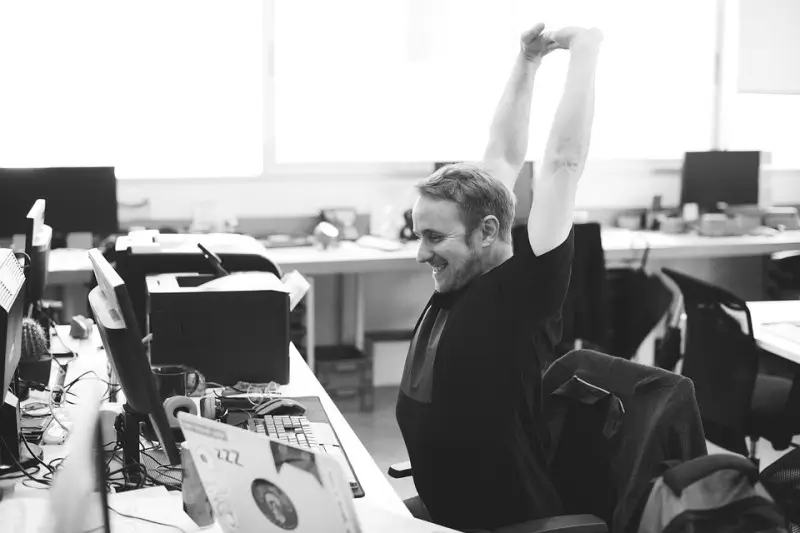
The most effective exercises to reduce neck pain are stretching exercises. These can be done in different ways. Here are a few simple methods:
A) Rotate your neck on either side. Rotate it anticlockwise five times, followed by five clockwise rotations. Gradually, you can increase the number of repetitions.
B) Clasp your hands together and, without bending your elbows, raise them above your head. Then slowly bring your hands back to the original position.
You can also perform exercises to strengthen your muscles, as they are effective in reducing pain. Here is one simple exercise: press both your hands against your forehead. After 15 seconds, slowly bring your hands down. You can repeat this step on either side of the head and then on the back of the head (using both hands). Repeat these steps as needed.
Please note: Never apply extra pressure to your head. It is better to do this exercise in front of a mirror. Excess pressure on the head can alter its position.
To avoid neck pain, regular exercise can be very helpful. Brisk walking, cycling, jogging, and swimming are some easy activities that can greatly strengthen your body muscles.
Image source: Pixabay
Also read a few more topics on ailments & remedies associated with today’s life style and many more. Click on the listed links to read










Recent Comments