
What are microgreens?
Microgreens are young, tender edible seedlings of vegetables, herbs, or other plants, which are highly nutritious and can be included in the diet. They are harvested very early – just after their first cotyledon (seed) leaves have fully developed and usually with the first pair of true leaves starting to appear. How to eat Microgreens the right way? Let us discuss.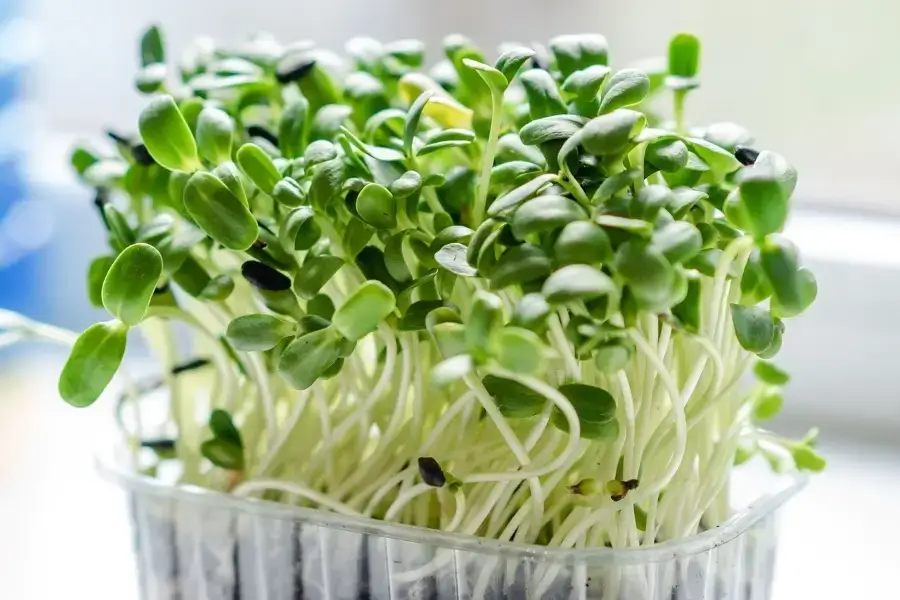
How are they grown?
Microgreens can be grown at home without using any kind of pesticides. Seeds, grains, and pulses can all be grown as microgreens. When the sprouted seeds reach the leaf stage, the microgreens are ready for cooking. Compared to sprouted seeds and fully grown vegetables or leafy greens harvested at maturity, microgreens are more nutritious. They contain four to forty times more nutritional value than vegetables at the harvest stage.
Different varieties of Microgreens
There are 50–60 common types, which include Pea shoots, Amaranth, Kale, Mustard, Broccoli, Arugula, Radish, Cilantro, Fenugreek, Sunflower, Beet, Basil, and Cilantro. They are highly nutritious and can be easily harvested. Only less time is needed for harvesting microgreens (7-21 days after germination). You can perfectly grow it indoors year-round, and as they are much more concentrated than the mature plant, they have a strong flavour.
Popular Types
Vegetables: Broccoli, radish, beet, kale, cabbage.
Herbs: Basil, cilantro, parsley, dill, mint.
Legumes: Pea shoots, sunflower.
Grains: Wheatgrass, barley.
How to eat Microgreens?
Here are some ways to consume them without losing their nutritional value.
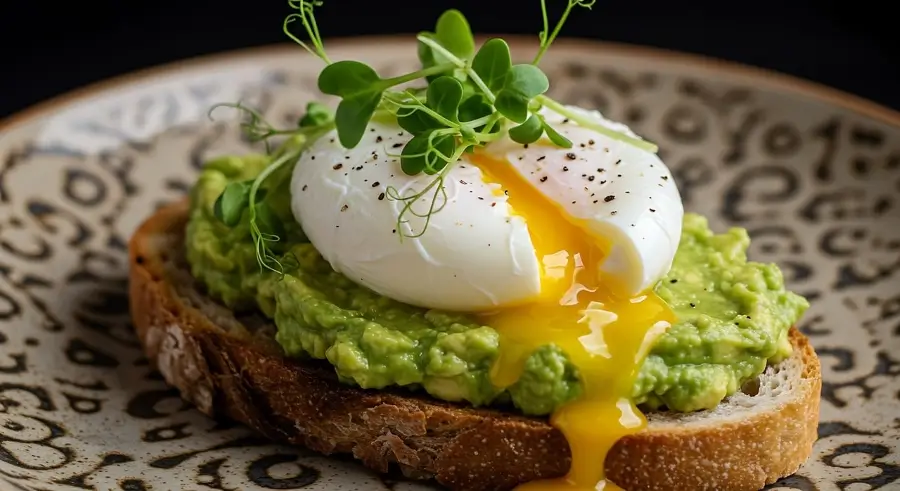
- It is better to consume microgreens without cooking. When vegetables and leafy greens are cooked, their nutritional value often decreases. To avoid this, microgreens can be eaten raw.
- Microgreens should be added based on their taste. Mustard microgreens have a slightly spicy and bitter taste. Mature methi (fenugreek) leaves have a mild bitterness. The same flavour profile applies to microgreens grown from fenugreek seeds.
- After cutting the leaves, it is best to use them immediately. As days pass, the nutritional value gradually decreases.
- They can be included in salads, sandwiches, rolls, and wraps. They can be used for garnishes, adding colour, texture, and punch to salads, sandwiches, soups, pizzas, eggs etc.
- They can also be added while preparing green & healthy smoothies.
Health benefits
Microgreens are extremely nutrient-dense. They are 4–40 times higher in vitamins, minerals, and antioxidants than mature plants. Rich in Vitamin C, E, K, beta-carotene, and polyphenols, they can support heart health, digestion, and immunity. They are harvested much before pesticides are applied to the crop. Therefore, they can be consumed without fear of pesticides affecting health.
They’re typically 1–3 inches tall, and cut much before they turn mature. In short, they’re bigger than sprouts, but much smaller than baby greens or mature vegetables.
Also read: Health Benefits of Vegetables & Herbs. Visit my page.








Recent Comments