
The word Bonsai means “tree in tray” in the Japanese language, and it’s a very old art form in Japan. But over the years its popularity has spread across the world, and many people see it as a costly art piece to be exhibited in their interiors.
A visual of Buddha sitting under the green, blossoming Bodhi tree. What more do you need for peace to bloom in the mind? Wouldn’t it be lovely to bring this calm beauty into your garden or indoors? Bonsai — tiny trees arranged like a miniature landscape with small statues, a little water area or fountain, and some beautiful rocks — is now a popular trend. Let’s look at how to create and care for them.
Bonsai plants become more beautiful and more valuable as they grow older
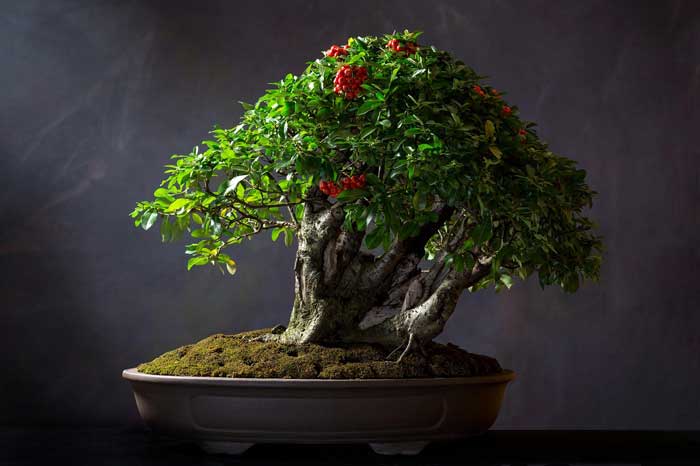
Indians are familiar with the art of bonsai — growing trees in special shapes and keeping them small. Many plants like banyan, schefflera, Malpighia, tamarind, and snow bush can be used to create different styles of bonsai. With time, their charm and value continue to increase. Though it’s a tedious and time-consuming process, patience is the key.
You can buy decorated pieces with small statues and stones in shops, but paying huge amount. They are really costly. But if you have patience and interest, you can also make them at home. A bonsai is like a miniature version of a beautiful natural scene. Each piece looks different depending on how it is shaped and arranged. Even those who don’t know much about this tiny plant structure, tend to appreciate this art.
How to create a bonsai?
Forget the traditional bonsai pots — first decide what kind of artistic creation you want. Then choose or make a container in a suitable shape and size. You can use cut stone, store-bought stones, clay stones, or soft rocks to make the base. Many types of plants can be used to create bonsai in different styles. You can choose plants or trees of your preference. As time passes, the beauty and value of a bonsai plant only increase.
You can carve a bonsai container from black stone or granite. But this is difficult and requires a lot of patience and time, and enough skill in handling such machines. If you are not careful, the grinder used to shape the stone can cause accidents. So, it is best to seek someone’s help, who is skilled in carving stone to make the planting space.Making the Bonsai Base
A shallow and wide container works best. There should be holes at the bottom of the container for water drainage. Fill it with a mix of red soil and powdered goat manure as fertilizer. If the stone is large enough, you can create a small pond on one side to make it more attractive. Smoothing the outer surface of the stone will make the bonsai look even more beautiful. More time and exploration of skills and creativity, more beautiful your artistic piece will be.
Planting the Bonsai
Plant the bonsai-shaped plant into this soil mix. You can directly plant small bonsai grafts of banyan available in the market. Plants like Malpighia are also good options. You can choose your own trees.
Before planting, trim the branches and roots of the plant to create the desired shape. This helps maintain the dwarf look and gives the plant a more attractive form. It will be good in shape too. If branches grow in unwanted directions, you can control them by wrapping them with thin copper or aluminium wire. You can also gently shape those excess branches according to your creativity. To enhance the miniature scenery, you can also add small metal or poly-marble figurines to the structure.
Some tips to care your bonsai

You can include your favourite figurines in the bonsai landscape — a playful baby Krishna (Unnikannan on a swing), a meditating Buddha, Krishna and Radha, a small Ganesha statue, or even a figurine of Mother Mary or Jesus. Another design may include a temple pond, a small altar, a banyan tree, and Krishna swinging beneath it. A tree with a treehouse between its branches will also create a charming artistic scene. If you are a nature lover, you can try this. But if you are more into spiritual or bhakti side, you can try with mythological figures of your belief.
As the plant starts growing, you must take care of it according to its natural needs. It is best to place the bonsai in a spot where it gets the required amount of light. Plants like banyan, Malpighia, and Schefflera grow well in partial shade. It means, they don’t need direct exposure to sun. Meanwhile, tamarind, snow bush, and Casuarina tree varieties need direct sunlight.
To control excess growth of your art structure, use organic fertilizers. Trim the plant branches regularly to maintain its shape and beauty. Creating a miniature landscape with a bonsai plant not only looks attractive, it also adds value. These are priced in the market not for their raw materials but for their artistic appeal. If you are interested in this art and have enough patience, you can start it as a business at home also.
Also read: 50 Amazing Home Style Ideas Currently Trending








Recent Comments