
Childhood without diseases. How to improve child’s immunity through Ayurveda?
- Ways to Boost child’s immunity
- Herbs that help prevent skin diseases
- Provide overall health protection
Let us club these three groups together and form an Ayurvedic special edition which discusses common health concerns of kids, and try to find feasible Ayurveda solutions too.

The birth of every child is as beautiful as the blooming of a flower. It is the moment when the eagerly longing & waiting eyes—filled with anticipation for so long—finally blink open in joy.
For the mother and the family, however, a range of concerns and anxieties begin to surface.
Is the baby losing weight?
Is he/she really drinking enough milk?
Is the child breastfeeding properly?
Is excessive spit-up a serious issue?
Why isn’t the baby sleeping well at night?
Is he getting enough sleep?
This is the stage when the mother’s emotional stability and confidence become very significant.
Among the eight major branches of Ayurveda (Ashtanga Ayurveda), one significant category is Balachikitsa, also known as Kaumarabhritya, the branch dealing with child care and pediatric treatment. The first part of Ayurvedic pediatrics focuses on strengthening the immunity of the child from birth, while the second part deals with treating childhood diseases.
The antibodies received from the mother, protect the infant’s immune system to a certain extent in the initial stage. But they gradually diminish after a few months. Breast milk plays an important role. It is a healthy factor which keeps a baby’s immunity active and strong. Apart from proteins, fats, and vitamins, breast milk is rich in antibodies that boost immunity. Therefore, breast milk alone must serve as both food and medicine for the first six months of the infant. This is the reason Ayurveda insists that exclusive breastfeeding for the first six months is enough for the infant’s survival and healthy growth.
(“Mātureva pibet stanyam –
tadāyattaṃ deha-puṣṭaye…”)
More than quantity, the quality of breast milk is a crucial factor that influences the child’s overall health. Because of this, a mother must take special care of her health even before conception, and follow a healthy and balanced diet with enough supplements so that her baby won’t be deprived of essential nutrients.
Ayurvedic methods to improve a baby’s immunity should be followed strictly under a doctor’s supervision. There are several Ayurvedic medicinal preparations used to enhance a baby’s immunity. Ayurvedic practices like uramarunnu, Swarna Prasham, and various traditional formulations are believed to improve immunity. They are commonly followed in many households, as a part of tradition.
Swarna Prasham and Uramarunnu
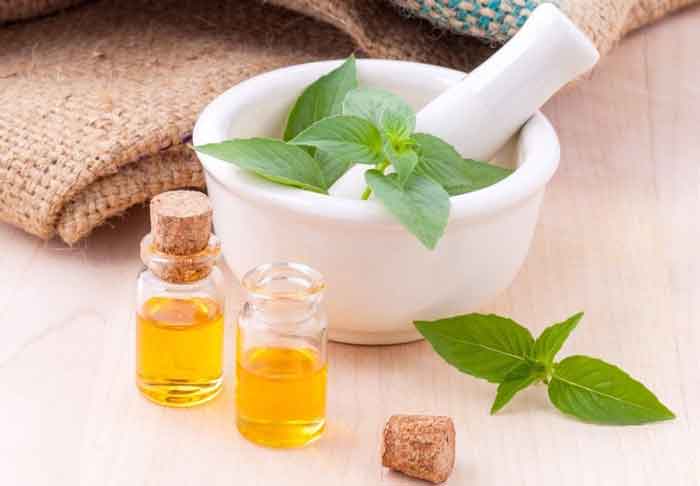
Modern research has now confirmed that gold nanoparticles (GNP) can help to boost the immune response. Interestingly, this was known to Indians since Vedic times. Ayurveda states that gold is beneficial for enhancing intelligence and strengthening immunity. Many formulations combine gold with herbs like Brahmi, Shankhupushpi, and several other medicinal plants. Preparations made using these combinations are collectively known as Swarna Prashana.
Swarna Prasham can be prepared in different forms such as arishtams (fermented tonics), drops, powders (choornams), and bhasmas. The form and dosage depend on the specific needs of each child and his age. Such preparations must be given only under the strict guidance of a qualified doctor. After birth, these medicines can be given from first month onwards, but the duration and dosage must be instructed by Ayurvedic doctor only.
The same principle applies to Uramarunnu as well. Uramarunnu refers to herbal medicines that are gently rubbed and given in small amounts to infants from the age of one month. (Uraykkuka in Malayalam means ‘To rub’). The name comes from this method of administration. Choosing and giving such medicines without proper knowledge or guidance can be unscientific and unsafe, and hence highly not recommended.
The practice of using certain medicines in excessive or incorrect quantities is common in some places. Some of such medications might be followed traditionally without any scientific explanations. This is exactly why it’s said, Ayurvedic uramarunnu should be given to infants only under the supervision of a qualified Ayurvedic pediatric specialist. Overdose is always harmful in long term.
The Concept of Protection (Prakara)
In the Ayurvedic pediatric text Arogya Kalpadrumam, written by Kaikulangara Rama Variar, such immunity-boosting formulations are described in detail.
The word “Prakara” means a protective wall. Just as a wall protects a house from thieves, these herbal immunity-enhancing preparations protect the child from diseases. This comparison is explained in the text. These medicines are given at fixed intervals, similar to a modern vaccination schedule — at the 1st month, 3rd month, 6th month, 1 year, and so on, up to 12 years.
Different formulations are used at each stage to strengthen the child’s immunity at appropriate intervals. These are usually simple combinations, easy to administer. Along with high-quality breast milk, treatments like Swarna Prasham, Uramarunnu, and Prakara Yogas can be given under a doctor’s guidance. These medications, if given under proper guidance, supports the child’s healthy growth and development.
Lifestyle plays a major role in ensuring long-term health. Deficiency of trace elements and inadequate vitamins can affect children negatively. Parents need to introduce healthy eating habits in children, right from early childhood. Eating meals on time is important. Skipping breakfast is one of their major reasons for health issues. Staying up late, difficulty in waking up in the morning, and then skipping breakfast can all lead to problems.
Running to catch the school bus after pretending they have eaten something — this has become a common scene in homes today. To grow in a healthy way, children need nutritious meals at the right time, along with play and simple exercises (some kind of physical activity). That is why parents must pay special attention to developing proper eating habits in children.
Dry Skin and Atopic Dermatitis (Eczema)
Some babies develop dry, raised, scaly skin and itching either from birth or after a few months or years of birth. This condition is known as Atopic Dermatitis. In Ayurveda, this is generally considered a form of Karappan.
A characteristic feature is the presence of dry skin on the face and cheeks, often resembling the pattern of a butterfly’s wings. Children may also have similar dry, scaly patches on the folds of the elbows, knees, and sometimes all over the body. Often, a family history of allergies forms the background of this condition.
In the initial stages, treatment focuses on relieving allergies and itching. After that, Ayurvedic treatments aim to correct the dryness of the skin through moisturizing/oily (snigdha) therapies. Ayurveda recommends several suitable herbal oils for external application in such situations. Internally too, the child requires snigdha therapies or meditations, where certain medicines are taken. Herbal medicated ghee (ghrita) preparations play the most important role here.
Since this is a long-standing condition, continuous treatment and regular follow-up are essential. A lot of patience is needed in this case. With proper care, consistency, and patience, this condition can be effectively managed and improved.
Allergies
Allergies have become one of the most common problems troubling children these days. For some children, allergies appear only as sneezing and a runny nose. But in others, it becomes more severe, leading to cough and breathing difficulty. In some children, it even results in the swelling of the adenoid glands, making the condition severe and more complicated. Some experience it as urticaria (hives) — itchy skin rashes. Never ignore running nose or sneezing, which occur as a part of allergy. They are severe than what they are assumed to be. Sometimes, emergency medical attention is needed.
Understanding why allergy-related health issues have increased so much among children recently is important. One possible reason could be the immune imbalance after COVID, which may have contributed to the rise in allergic conditions among children. Environmental pollution is another major factor. Things are totally different from what it was, before 20 or 30 years. Pollution has increased manifold.
Another significant concern is the change in food habits. Many children have become lovers of different kinds of fast foods, high in calories and less in nutrition. At the same time, they often lack the appetite needed to digest such heavy foods. With very little outdoor play or physical activity — other than home and school — today’s lifestyle creates a perfect environment for allergies to develop. When heavy, hard-to-digest foods are consumed at times when the child has little or no appetite, it further worsens the allergic conditions.
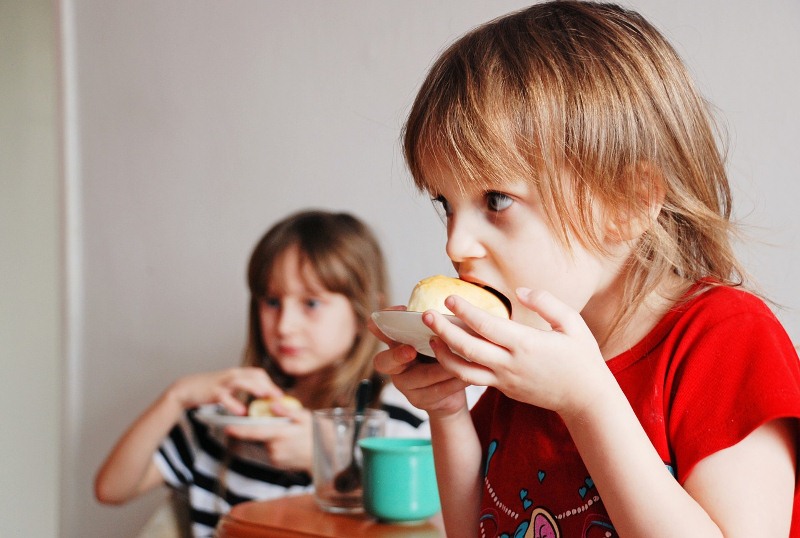
When such wrong food habits are followed for a long time (generally termed as a part of lifestyle), various digestive issues begin to appear. Eating late at night further slows down the digestion process. In simple terms, these unhealthy eating patterns gradually lead them to allergic conditions. Ayurveda considers such allergies as a form of “blood impurity” (Raktha Dushti).
An IgE antibody test often shows this clearly. Instead of staying below the normal 300 range, many children show IgE values as high as 6000–7000. This itself indicates the severity of the allergic reaction, which needs to be addressed with top priority.
To manage this, the digestive system needs to be strengthened, and the blood impurities must be removed. These conditions can be treated and relieved using Ayurvedic shamana medicines or mild purgative therapies. As treatment progresses, the IgE levels in the blood gradually reduce. Depending on the symptoms, Ayurveda’s Pinas (sinusitis/allergy) treatments may also be required.
However, not all allergic children will show elevated IgE levels. Along with treating allergies, associated conditions like adenoids and asthma, which are common in many children should also be treated to ensure long-term relief.
With patience and proper care from parents, allergy-related health issues in children can be completely eliminated. They can also be prevented from developing into more complicated conditions later or when they grew up. Children who constantly sneeze and cough may otherwise face persistent health issues as they grow older.
Enlarged adenoids in children
There are some health conditions that can be completely cured using Ayurveda, without any form of surgery. One such condition is adenoid enlargement. The adenoids are a mass of lymphoid tissue located at the back of the nasal cavity, both inside and slightly behind the nose. These glands play an important role in immunity by trapping viruses and bacteria that enter through the nose.
Because of allergies and inflammation, adenoid swelling is very common in children. With careful observation, it is possible to identify whether a child has enlarged adenoids. A protruding or elongated facial appearance, and a dull or expressionless look, are some of the common visible signs.
During the night, children may find it difficult to breathe through the nose and sleep with their mouth open. Ear infections, which may appear repeatedly, is also common in such cases. If symptoms like disturbed sleep begins to appear, consult a physician and check for the possibility of adenoid enlargement.
When the adenoid tissue becomes more than 80% swollen, most doctors usually recommend surgery. However, if treatment is started early, Ayurveda offers methods by which this condition can be completely cured without surgery.
Applying medicated oil on the head, making a few dietary changes, and undergoing the Ayurvedic Pinas–Gland treatment can help resolve the condition. Even after surgery, some children may experience complications. Hence it is always better to seek expert Ayurvedic care at the earliest. With proper medication and by following strict dietary guidelines, adenoid swelling can be controlled within a month.
Severe stomach pain
Another issue that troubles many children repeatedly is intense stomach pain. If this pain is accompanied by vomiting, diarrhoea, or fever, it may be due to mesenteric lymphadenitis.
There is a condition where the lymph nodes in the mesentery of the abdomen become swollen as a response to various infections. Although modern medicines can provide quick relief, these symptoms often tend to reappear after some time.
The root cause of this swelling in the abdominal lymph nodes is usually the child’s long-standing digestive issues. Irregular eating habits, not following a proper meal schedule, and excessive consumption of fast foods are all major contributing factors. Gradually, these habits lead to digestive imbalance and the accumulation of toxins, which ultimately triggers the condition. In short, digestive problems which persist for a long time can lead to a disease condition.

This state, referred to in Ayurveda as Agni Mandya (poor digestive fire), can be effectively managed if treated in time with appropriate deepana–pachana (digestive-enhancing) herbal powders and arishtas. They help to restore digestion and bring significant relief.
Fading memory after Covid crisis

After COVID, the world has witnessed the rise of several strange health issues. Allergies, phlegm congestion, digestive problems, and persistent swelling in the muscles are some of the conditions that have been widely seen.
Even among children, the aftereffects of COVID are noticeable. Studies are still ongoing to understand how long-lasting post-COVID difficulties (long COVID) affect children. Just like adults, many children also experience brain fog. Brain fog affects the brain’s ability to think clearly, concentrate, and make decisions. For many, this has been a lingering after-effect of COVID.
Unlike common cold and fever viruses, one major peculiarity of the coronavirus is its ability to affect the nerve cells in the brain. It can also cause inflammation in blood vessels, which can block small blood vessels that supply the brain. This leads to reduced blood flow and oxygen deficiency towards brain, leading to slowed functioning of neurons, and consequently symptoms like brain fog.
In such conditions, after the initial detoxifying and digestion-correcting medicines, children should be given medhya Ayurvedic medicines and rejuvenators. Several herbs under the category of medhya rasayana can be used individually or in combination as per classical Ayurvedic principles. Herbs like Ashwagandha, Brahmi, Muthil, Shankhupushpi, and Chittamrith are all medhya rasayana drugs that support cognitive development. Arishtams, lehyams, and ghee preparations containing these herbs may also be used as advised by an Ayurveda physician.
Disclaimer:
The information provided in this article is for educational and awareness purposes only. Ayurveda treatments, herbal remedies, and dietary recommendations mentioned here should not be considered a substitute for professional medical advice, diagnosis, or treatment. Always consult a qualified Ayurveda physician or healthcare professional before starting any medication, therapy, or lifestyle regimen, especially when it comes to children. The author and publisher are not responsible for any adverse effects or consequences resulting from the use of the information provided in this article.






Recent Comments