

Before you say to yourself, “No, why should I have stress?” ask these questions also.
1. Does joint pain affect you occasionally?
2. Do you postpone your tasks?
3. Are you less interested in sex now?
4. Do you have mood swings more often?
5. Frequent problems with the stomach and digestion?
If you get a ‘Yes’ answer for more than two questions, you need to be careful. An invisible ghost has become your companion lately. Stress may take an intense form for a short period due to a certain situation, and it will change. You need not worry too much about this stress, also known as acute stress. It’s simply the body’s trick to stimulate the pituitary gland and trigger adrenaline release, helping your mind cope with the immediate situation. Chronic stress, however, works very differently.
What is chronic stress?
There are many reasons for chronic stress. It happens when one gets affected emotionally, physically or through food habits. Dissatisfaction in life, unfulfilled desires, anxiety, restlessness and despair find space in your mind, and get deposited there like fat, giving rise to emotional stress. Physical stress is related to lifestyle and how you sit, walk and sleep and their defects. Nutritional or chemical stress occurs due to poisonous substances in food. All these factors can put both our mind and body under stress, which we may fail to notice.
It is possible to detect acute stress easily, but not the case with chronic stress. We may detect it only when our life gradually turns restless, eventually leading to diseases.
Do you have stress?
It’s not possible to detect stress in a few moments; it needs a minute examination and self-assessment. Some of its common symptoms are lack of concentration, confusion, memory loss and bad response to everything. Some changes may occur in your daily habits and behaviour too. Change in food style, biting nails, lack of interest in dressing, interest in smoking and liquor are among those.
Stress can affect you emotionally, too. You turn impatient. You get anxious over silly things easily and cry easily. Emotional outbursts and disturbing thoughts for even silly things are other symptoms. When a simple thing can emotionally disturb you, you lose your peace easily. You can get physically affected through headache, grey hair, ageing, lack of energy, fibromyalgia and autoimmune diseases as a result of stress.
The above symptoms form the first phase of stress only. When it moves upwards to the next stage, that’s not the case. Many studies have concluded that stress is a key factor leading to many dreadful diseases. Frequent stress can risk your health and cause damage your body, definitely.
Stress paves the way to pain without our knowledge

Due to joint pain and muscle pain, if you approach a doctor, he may prescribe you painkillers without detecting the correct disorder. Such disorders include stress and tension. It may bring down the pain for a brief period, but it may not give permanent relief. You may detect the real reason years later, after you might have suffered so much. Yes, stress can pave the way to pain without our knowledge.
How can stress turn so cruel? In the case of acute stress, adrenaline is released by the body, while in chronic stress, cortisol is released. Although cortisol functions similarly to adrenaline and keeps the body alert, it has negative effects as well. Its side effects range from anxiety and depression to digestive issues and heart disease.
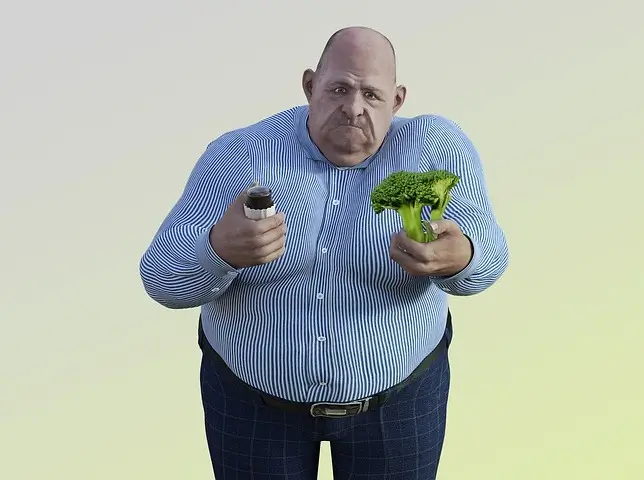
Can stress lead to obesity?
Stress can lead to many diseases, including obesity. Here are a few of them.
Atherothrombosis
Frequent release of cortisol leads to this condition. Brain stroke, heart attack and peripheral arterial disease are among the results. Due to stress, cardiac arrest can happen. It may not be due to fat deposits and blockage in the coronary arteries. Stimulation in the sympathetic nervous system (SNS), which controls many subconscious functions, is the reason.
Obesity
It happens in two ways. Cortisol induces hunger, which prompts the person to eat more. To overcome the feeling of emptiness caused by stress, some people tend to eat more fatty foods. This gives them temporary relief. In this way, they try to fill the emptiness and loneliness in their lives with food, which eventually leads to weight issues.
In the second case, the belly is affected most. If you are prone to frequent stress, your brain takes certain precautions. Fearing famine—an instinct dating back to the social life of our ancestors, when famine was a major concern—the brain sends signals to store fat around the stomach. In short, your belly and surrounding areas turn fat, and it’s not fat, but actually stress.
Insomnia or sleeplessness
Cortisol keeps our body constantly vigilant. When you are under frequent stress, cortisol is released repeatedly, which negatively affects sleep.
Depression
Frequent stress can slowly slip into depression. Cortisol can influence those portions of your brain that control your mood.
From where does this stress come from?
There are three things in common – personal life, professional life and time management.
Personal life
A survey conducted by Hayward University concluded that more than factors like diabetes, blood pressure and cholesterol, relationships in life influence the health of a person. The relations include family relationships, friends and social life. It’s good to have healthy relationships in life, which can relieve our tensions and problems. But how can relations affect our lives?
When expectations from a loving person never meet reality, it puts us under pressure. Infidelity and insecurity in relationships and our pretension/acting before others to impress others, or behaving in front of others in a way that we are not really, can all lead to these issues.
In reality, even though relationships often give us stress, they also form an inseparable part of our lives. The best thing to do is to experiment with relationships and change a few of our perspectives. Never expect too much from others, or expect the same from them that you give. You should be certain in your relationships and take clear-cut decisions rather than staying confused. This frees your mind from emotional burden to a great extent.
Professional life
Even if you are earning, you may feel bored with repetitive tasks. If your job is highly dissatisfying, it can also lead to stress. Target pressure can kill all your happiness. You should clearly give preference to your personal interests while choosing a career. Only then will you find pleasure in the work you are associated with. Money and social status will follow.

Time management
Time management is the key to success, and if you fail in this matter, stress is the aftereffect. When you don’t get enough time to complete a task, it gives stress, and you may not be able to complete the task perfectly even if you are an expert.
Never postpone tasks, and always give preference to key tasks during your most productive working hours. Never take on too many responsibilities if you are not confident you can complete them within the stipulated time. Stress will diminish automatically. Try to wake up early. It gives you a feeling that you have plenty of time, enough to cool your mind.
How to treat stress and get rid of it?

Exercises
You can choose any type of physical exercise. It can relieve stress significantly and also act as a form of stress management. Yoga, meditation and breathing exercises give easy results.
Vagus nerve activation
Vagus nerves are present on both sides of the neck. To induce these nerves, take a breath with the stomach, instead of the chest. Your mind finds peace. You can do it in both sitting and lying postures.
Production of oxytocin
The love hormone, oxytocin, is an enemy of stress. Foods such as eggs, bananas, and black pepper, when consumed together, or a warm embrace can improve the production of oxytocin. Yes, a warm hug can greatly reduce stress.
Good relations
Always choose relations that give positivity and keep negative people with negative thoughts at bay. Try to mingle better with family members and friends and develop healthy social relationships. Also, lend a helping hand to others. It gives you happiness and satisfaction in life, too. It improves health and longevity.
Image source: Pixabay
Read a few posts on ailments and remedies. Click on the page links to follow.







Recent Comments