
Since olden times, many medicinal plants were a part of our lives – though a few of them were seen as only food. They have healing effects too – to heal our external wounds and internal pains too. Times have changed now. The yards which were once filled with medicinal plants, and the elders who knew about these herbs, have turned sparse. That’s why we should try to recall the plants that once grew around us, and learn their healing benefits.
Here, only a few plants that can be grown at home are mentioned. When courtyards are shrinking, space for medicinal plants are also shrinking. If we start preparing a list of those plants, this list will never end, because most of the surrounding plants have medicinal value in one way or another. One thing to remember is that Ayurvedic medicines are prescribed after considering the patient’s health condition, appetite, metabolism, age and other health issues. Therefore, medicinal plants should be used strictly according to medical advice. Through this column, let us discuss the healing effects of 10 medicinal plants easily available around us.
Kanikonna (Golden Shower Tree / Cassia fistula) – For ringworm infections of feet
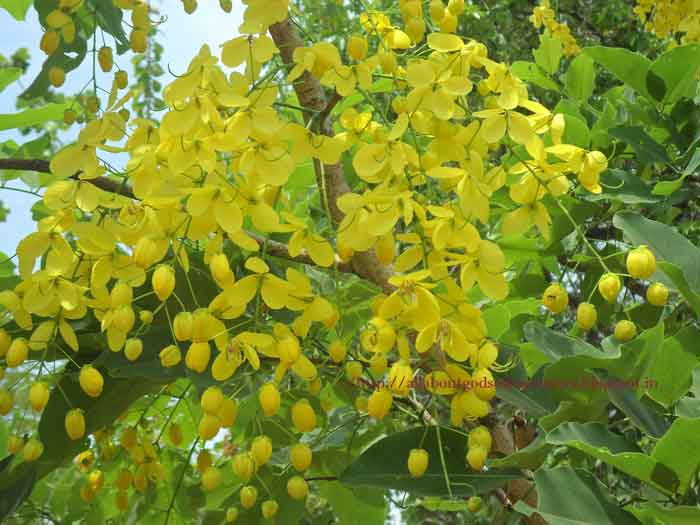
When we think of Vishu, the flower that instantly comes to mind is yellow-coloured blossoms of Kanikonna. It is also an important herb in Ayurveda. During monsoon, Kanikonna leaves help to reduce skin irritations, itching, and other discomforts of toe caused because of ringworms.
Bathing in water boiled with Kanikonna leaves or soaking the feet in it is beneficial. It is also used in ayurvedic medicines for diabetes, urinary infections, and related issues.
Ashoka (Saraca asoca) – For problems related to periods and pains
Ashoka is a medium-sized tree known for its beautiful clusters of bright orange flowers. If you have sufficient space, this medicinal tree can be planted in your courtyard or agricultural field, for its blossoms as well as for shade.
In uterine disorders—especially conditions involving excessive bleeding, the bark of the Ashoka tree and flowers are used as medicine. Sometimes both parts can be included in the diet as well. It is also a medicinal remedy used during periods when there is severe pain. Please note: As Ashoka ranks high among Ayurvedic medicines, it should be used only according to a doctor’s advice. The quantity of medicine to be taken should be instructed by Ayurveda doctor.
Aloe vera (Aloe barbadensis Miller) – For Pitted Nails & skin care
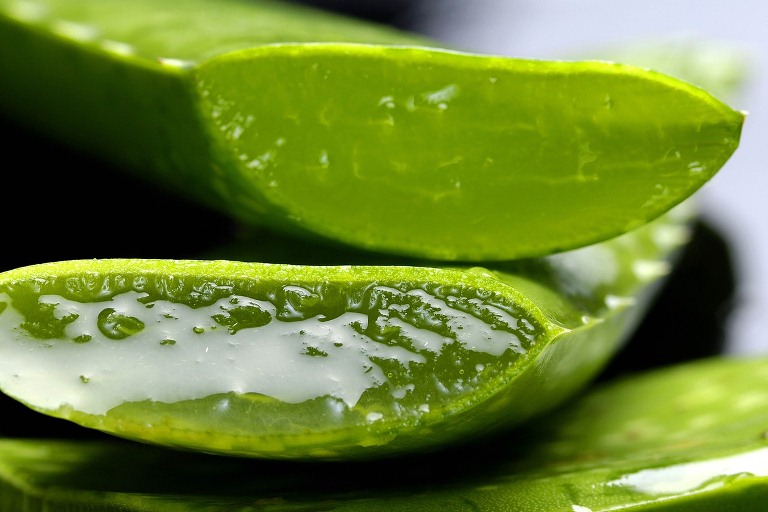
Pitted Nails refers to some kind of nail damage which can visibly make your nails appear ugly or wounded. Small depressions or pits seen on the surface of the fingernails or toenails, commonly associated with conditions like psoriasis, eczema, or fungal infections, can damage the beauty of nails and give itching and pain too. Aloe vera is a medicinal plant with multiple healing effects and here I explain a few.
For nail infections (kuzhinakham in local terms), grind some Aloe vera stem along with raw turmeric and apply on affected nails. This juicy paste can help in healing the infection. Aloe vera is also an important medicinal ingredient included in formulations of medicines such as Kumaryasavam, used for menstrual disorders.
Apply the gel obtained from Aloe vera leaves once a week on your body before bathing. It is good for skin care. Applying it on the scalp and washing after some time helps in hair care too. The medicinal plant Aloe vera is very much associated with skin care and hair care.
Shatavari (Asparagus/Asparagus racemosus) – For Acidity Relief
Shatavari, a medicinal plant is a beautiful climber, whose tuber is used for medicinal purposes. Drinking 15 ml of Shatavari tuber juice helps to relieve problems caused by acidity. A mixture of Shatavari juice with sugar and butter helps reduce excessive bleeding, leucorrhea, and burning sensations in women.
Nanthyarvattam (Tabernaemontana divaricata) – For eye related issues
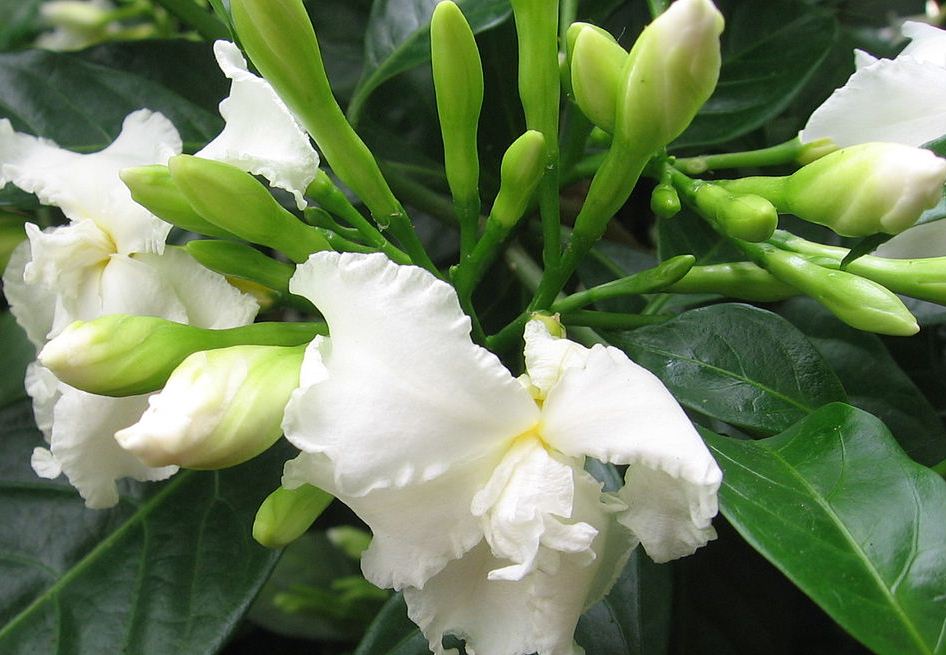
A medium-sized evergreen plant with many spreading branches, this medicinal plant has white, pleasantly fragrant flowers.
The milky latex from the leaves can be applied to heal wounds and cuts. For eye diseases and itching in the eyes, soak some Nanthyarvattam flowers overnight in water and use it to wash your eyes next day morning. It can provide relief. You can also crush a few flowers, extract juice and drip a few drops in your eyes. Also read: Medicinal benefits of some local Kerala flowers and Onam Flowers
Panikkoorka (Indian Borage/Mexican Mint/Coleus amboinicus) – For intestinal worms
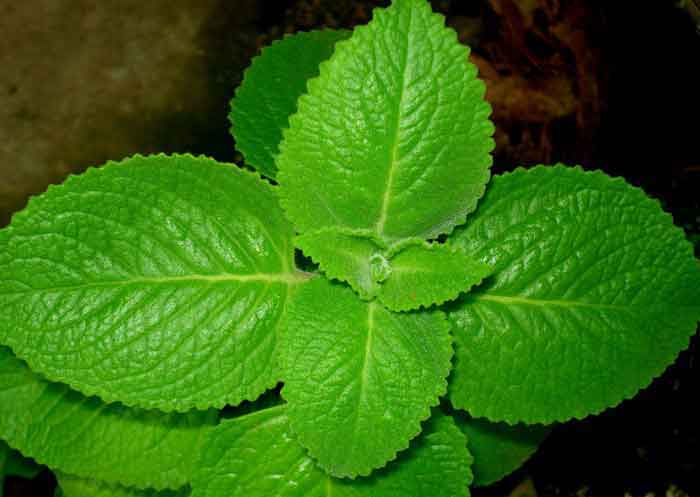
Panikkoorka is a medicinal plant, very useful in home remedy, famous for its medicinal uses. You can easily grow it at your home in a flowerpot. Very little maintenance is needed. It’s an instant remedy for cold and fever related issues. Use a few leaves for steam inhalation, which helps to relieve nasal congestion.
Grinding the leaves and giving 5 grams to infants (once daily at night for a week) helps reduce intestinal worms. For indigestion, mukkudi prepared by grinding panikkoorka is effective when taken for 5–7 days continuously without fail.
You may also add a few panikkoorka leaves while making bajji or curries made using curd. Some dishes (not so common in India use Mexican Mint & Basil leaves for distinct flavour and taste). Extracting juice from the leaves after warming slightly, and mixing with a little amount of honey, helps relieve fever and cough in children. You can give a few drops at regular intervals.
Pavizhamalli (Night-flowering jasmine/Nyctanthes arbor-tristis) – Fever Remedy
Pavizhamalli, scented flowers with beautiful white petals and orange stem, is not just a garden plant. Drinking a mixture of its leaf juice and ginger juice helps to reduce fever. Giving children the tender leaf juice mixed with sugar helps to remove intestinal worms. Mixing its leaf juice with an equal amount of honey, and consume it, which helps you to relieve cough.
Tulsi (Holy Basil / Ocimum sanctum) – The first aid box

Tulsi is an inseparable part of every traditional courtyard. It’s associated with Indian culture and Hinduism as well, where this plant is considered holy or sacred and also known for its medicinal benefits.
Tulsi juice (after slightly heating leaves) mixed with honey or powdered palm sugar helps to reduce cough. For insect bites – from ants or small insects, apply ground tulsi leaves mixed with turmeric powder. It helps as first aid. Steam inhalation with basil leaves helps to relieve cold. Tulsi-infused oil is good for sinus, respiratory issues, and skin problems.
Changalamparanda (Adamant creeper/ Devil’s backbone/ Cissus quadrangularis) – For strength
Changalamparanda is a climbing plant with four-sided stems and heart-shaped leaves. It is an effective herbal remedy for fractures and bruises. The medicated oil can also be applied externally to reduce pain.
If you boil the plant in sesame oil and extract the essence, taking 3 ml of it helps heal fractures and bruises. Drying its leaves and stems, powdering them, and consuming 3 grams daily helps strengthen bones.
Hibiscus (Hibiscus rosa-sinensis) – Rich in Benefits

The native red hibiscus with five petals can be grown at home. In fact, it’s commonly seen in courtyards of home. Make a paste of the hibiscus leaves and flowers adding a little water, and apply on hair before bath. It strengthens and beautifies the hair. Hibiscus leaves can also be used as mild shampoo. Crush a few leaves, extract juice and apply on moist hair while bathing. Rinse it off completely. Read more: A few Ayurveda tips with Ixora flowers, hibiscus and aloe vera
For those suffering from bleeding piles, consuming ground hibiscus buds mixed with buttermilk is helpful. For painful menstruation, boil two or three hibiscus buds in water and use it to cook gruel. Consume it on those days and it provides you relief. Those who have excessive bleeding due to fibroids may grind two or three hibiscus buds in milk and consume it.
Read more about medicinal plants. Click here








Recent Comments