
No doubt, we often tend to be careless about our feet. While we give extra care to our face and body, we often neglect our legs, which support our entire body. Did you know that feet come in different types, and wearing sandals that are not suited to your foot type can lead to pain and other health issues? Before we proceed further, let us learn about the different types of feet. Several sports companies have developed a wide range of footwear designed to suit each foot type. Here, I provide useful tips while choosing footwear.
Useful Tips While Choosing Footwear
Wet test to find which type of feet you own
Is it flat or has high arches? Or is it simply normal? This simple test can help you determine which foot type you have. Wet your feet and stand on a brown paper or any dry surface for a few seconds. Now remove the feet and examine your footprint.
If your foot impression looks like the whole sole, you have flat feet (Over Pronator). For this group of people, their footwear starts tearing from the heel side. If only heels and fingertips appear on the brown paper or flat surface, you are a person with high-arch feet (Under Pronator / Supinator). Their footwear starts wearing out from both heel and front side (as extra pressure is given to the heel and tips of sandals or shoes). If your foot impression has straight lines drawn between heels and fingers (almost like the shape of feet) you have almost perfect feet – Neutral Pronator. It’s the most common foot type that supports body weight, and your shoes wear out from all sides equally. So it’s a better choice to buy insoles quite fitting your feet’ shape.
How to choose sandals and shoes?
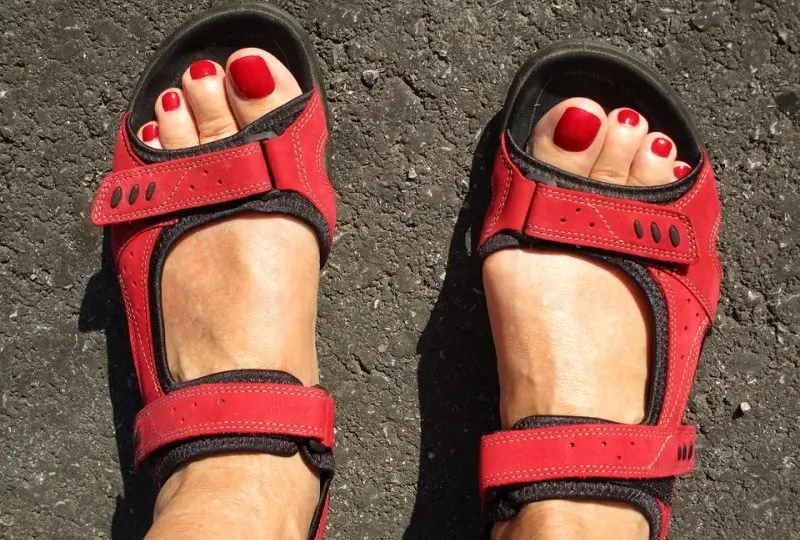
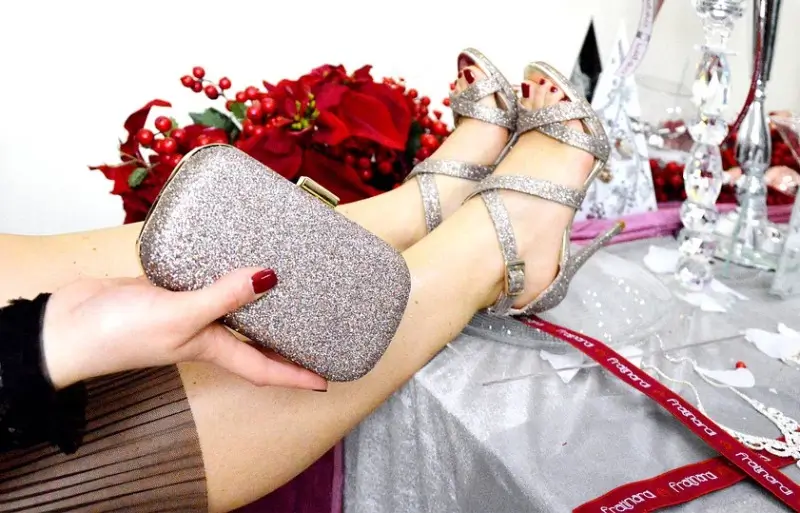
‘Footwear should be beautiful and stylist, and if chosen as per the latest trend, nothing else is needed. When you get some offers, you may buy two or three. Otherwise, purchase footwear only when it’s needed. For special occasions, sandals matching the costumes and makeup are preferable. One pair for rough use, one pair for monsoon, and one pair for office – These are the most common criteria to buy sandals for most of us, isn’t it? But do you think it’s the right and healthy way to purchase footwear?
There is an easy method to know if the chapel has the correct pressure distribution. On the inner side of the sandal, place a coin and press it for 30 seconds. After 30 seconds, remove the coin to see if it still forms a coin shape. If the sole has not restored its original shape very soon, it implies that the pressure distribution of the sandal is not correct. Once the coin is removed, if the sandal restores its shape, its pressure is equally distributed and absolutely perfect for use. Here are a few tips to note while choosing footwear and wearing it.
Do’s and Don’ts While Choosing Footwear
High heels can harm you a lot
Some people regularly use high heels. For such persons, their fingers are affected most. Since the pressure of whole feet falls on the finger tips at front end, tendons connecting tissues of feet with bones may be permanently affected and shrink forever. After that even if you walk without footwear or use a normal pair of sandals, you may feel severe pain in your heels. Once you get out of your bed after a long sleep, if you feel like pricking pain inside your feet, it may be due to the excess use of high heels.
Never use sandals that don’t fit your feet
If you develop a habit of wearing footwear that doesn’t suit your feet at all, it slowly reduces the strength of your sole. You may also feel pain similar to a cramp. If the front of the sandals is tight, it affects the fingers, and they may slightly bend. As your fingers are always in ‘high-pressure’ mode, your nails will be affected. They may lose their natural colour, show colour differences, and even break. Natural growth of nails may also be interrupted.
Perfect flat sole chapels are also not good
Similar to high heels, flat footwear can also adversely affect you. Feet have a natural arch shape, and flat-soled footwear is enough to destroy them. If used regularly, the arch shape of the feet may be altered by the flat shoes. If you really want to use flat shoes or sandals, place a heel insole inside the footwear.
A one-inch heel is sufficient for those who stand for prolonged hours
It’s better to use sandals with a one-inch height if you need to stand for long hours. The front of the sandal should be spacious enough to provide comfort to the toes. For jogging and exercise, for the office, or even for the bathroom, it is wise to keep separate sandals for different purposes. For jogging & exercises, it’s better to use branded shoes which give better grip and comfort.
Throw off sandals once they start tear and wear
With regular use, one side of the sandal may tear, and it is not a good idea to continue using such damaged sandals.. It may lead to many health issues, and the better choice is to change them.
Health Issues Associated with Choosing the Wrong Footwear
May lead to foot warts
The wrong choice of footwear may lead to foot warts. Thickened, dead skin between the fingers and on the bones may also occur due to the regular use of ill-fitting or damaged footwear. Warts form when extra pressure is consistently applied to certain points of the feet. They may also result from footwear that is incorrectly sized. If you wear sandals that are too big for your feet, your skin will be rubbed and scraped frequently, resulting in the formation of warts.
Swellings beneath the toes
If you choose sandals do not fit the shape of your feet, swellings may appear beneath your toes. In this case, the toe gives extra pressure to the nearby finger. It also results in swelling of the folds in between.
Hammer Toe, yet another issue
Hammer toe appears between the second and third toes of your feet. It resembles the shape of a hammer and hence the name. If you use tight sandals or high heels with a narrow front, it can lead to hammer toe.
Image source: Pixabay
Read a few more articles on foot care & beauty treatments. Here is the page link. Click on the links to read.







Recent Comments